


CubCove™️ Sensory Spinning Chair
CubCove™️ Sensory Spinning Chair
Targeted vestibular input for self-soothed kids
Heavy-duty spinning for burning pent-up energy
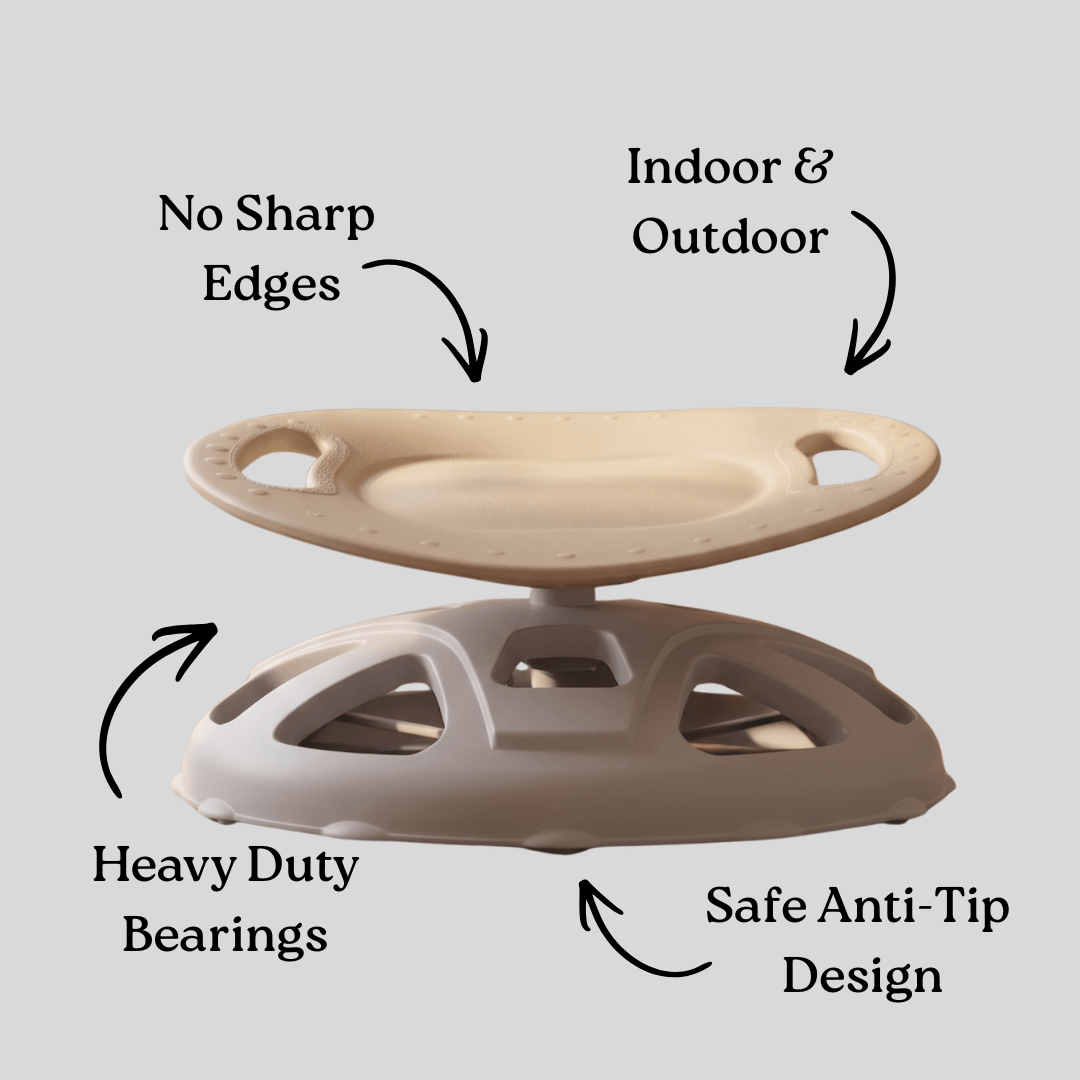
Safe, anti-tip design for fearless sensory play
Physicality for reducing ADHD overstimulation
Couldn't load pickup availability
Multiple secure payment options available

30-day return policy
Express 48hr
dispatch


Struggling To Manage The Post-Screen ADHD Crash?
Aussie kids face endless digital stimulation, leaving their nervous systems completely overloaded. For neurodivergent or ADHD little ones, this pent-up energy triggers severe sensory meltdowns and emotional dysregulation.

Sick Of The Pent-Up Energy and Sensory Meltdowns?
When high-energy or sensory-seeking kids don't have a physical way to regulate, that trapped energy turns inward. It leads to constant fidgeting, shortened focus, and explosive outbursts.

Deep Vestibular Regulation That Calms The Mind
Imagine a simple tool that lets them spin away overwhelm and reset their nervous system. It channels intense energy into targeted vestibular input, helping them self-regulate and find calm focus on their own.

Australia's #1 Sensory Spin Chair For Aussie Kids
Built tough for active Aussie homes, this durable swivel chair handles up to 100kg of energy. Featuring quiet bearings and an anti-slip base, it gives kids aged 3–12 a safe space to spin, regulate, and relax.

100% Money-Back Guarantee!
We’re confident you’ll love your CubCove™ products. If for any reason you’re not completely satisfied, simply return your items within 30 days for a full refund, no questions asked!
Why every family needs a CubCove Sensory Chair

Gross Motor Development

Reduce Overstimulation

Instant Portable Fun

Durable & Safe
Have questions?
Can this chair help my child with ADHD or autism, or is it just a toy?
It's genuinely both, and that's what makes it so effective. The spinning motion provides vestibular input, which is the type of sensory stimulation that helps the brain regulate attention, emotion and body awareness. Occupational therapists regularly recommend spinning chairs as part of sensory diets for children with ADHD, autism spectrum disorder (ASD) and sensory processing disorder (SPD). Many parents find it most useful before school to help their child settle, during homework for a movement break, and after school to decompress from a busy day. It's not a toy that replaces therapy, it's a practical tool that supports the regulation work your family already does every day.
My child spins themselves constantly... could this make things worse?
This is one of the most common questions we hear. The key difference is control. When a child spins in an uncontrolled way (on the spot, in circles, or on furniture), they can't easily stop or modulate the input, which can tip them into overdrive. The spinning chair lets them control the speed, direction and when they stop, which actually teaches self-regulation rather than bypassing it. OTs describe this as "child-led vestibular input," and it's considered a healthy, purposeful alternative to uncontrolled spinning. Many parents notice their children gradually need less spinning over time as the sensory need gets consistently met.
Is it safe? My child is strong and not always careful with things.
Safety is built into every part of this chair's design. The wide non-slip sturdy base uses a support structure with anti-slip rubber pads to prevent sliding, even on tiles or floorboards. The seat is moulded from a single piece of child-safe PP plastic with smooth, polished edges, no sharp corners or exposed parts. It supports up to 100 kg, meaning it won't buckle or flex under an active child. The handles around the seat gives little hands something to grip tightly while spinning. We recommend supervising younger children (under 4), using it on a flat surface with clear space around it, and doing a quick monthly check of the base joint and hardware, just like any active play equipment.
What age and size is it suitable for? My child is older and bigger than most.
The chair is recommended for children aged 3 and up, and the 100 kg (220 lbs) weight capacity means it comfortably accommodates older kids, tweens and even adults. The seat platform is generously sized, approximately 50 × 52 cm, so children can sit, kneel, lie down or spin in their own creative ways. We've had families use it with teenagers and adults with sensory needs. The only limitation is floor space: allow roughly 60 cm of clear space in all directions for safe spinning. The product weighs approximately 4.5 kg, so it's easy for a child to move independently to their preferred spot.
Can I use this as part of our NDIS plan?
Many families do purchase sensory equipment like this chair through their NDIS plan under the Consumables (Core Supports) or Assistive Technology categories, particularly when it supports goals around daily living, sensory regulation or community participation. However, eligibility depends on your individual plan goals and what's deemed "reasonable and necessary" by your planner. We recommend speaking with your plan manager, support coordinator or occupational therapist about whether this product aligns with your child's goals. If your OT has recommended a spinning chair as part of a sensory diet, ask them to note it in writing, that documentation makes the claim process much smoother.
How hard is it to put together, and what if something arrives damaged?
Assembly is minimal, typically just attaching the seat to the base, which takes most parents under 5 minutes with the included hardware. No tools beyond a screwdriver are needed. Everything ships in protective packaging designed to handle the rough-and-tumble of Australian delivery networks. Please inspect your order upon reception and contact us immediately if the item is defective, damaged or if you receive the wrong item, so that we can evaluate the issue and make it right. We're a small Australian business and we stand behind what we sell. You won't be chasing a faceless overseas warehouse.
How does the 30‑day money‑back guarantee work?
Just reach out within 30 days if you're not happy. We’ll organise a refund, easy and stress-free.
Will it be noisy? We live in an apartment and I'm worried about neighbours.
The spinning mechanism uses ball bearings that are designed to run quietly and smoothly, no grinding, no squeaking, just a gentle whoosh of movement. The anti-slip rubber pads on the base also prevent the chair from skidding or scraping on hard floors, which is where most of the noise in cheaper alternatives comes from. On carpet, it's virtually silent. On tiles or floorboards, it's quiet enough for indoor use without disturbing others. We don't recommend placing it directly on very rough outdoor surfaces as this can wear the pads over time, but it's perfectly suited for indoor apartment living.